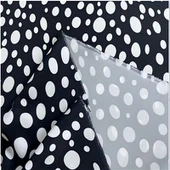
Silk fabric is renowned for its luxurious appearance and exceptional qualities. Derived primarily from the cocoons of silkworms, silk has been a symbol of elegance and sophistication for centuries. Here, we delve into the various characteristics that make silk fabric unique and highly sought after.
1. Smooth and Soft Texture
One of the most notable features of silk fabric is its smooth and soft texture. The natural protein fibers of silk are incredibly fine and have a natural sheen, which gives the fabric its characteristic luster. This smoothness not only feels pleasant against the skin but also contributes to the fabric's elegant drape.
2. Lustrous Appearance
Silk is known for its natural shine and luster, which is a result of its triangular prism-like structure. This structure allows silk fibers to refract incoming light at different angles, producing a brilliant and iridescent effect. The luster of silk can vary depending on the type of silk and the weaving method used.
3. Excellent Dye Absorption
Silk fabric has excellent dye absorption properties. It readily accepts a wide range of dyes, resulting in rich, vibrant colors. The natural affinity of silk fibers for dyes ensures that the colors remain intense and do not fade easily, making silk an ideal choice for creating garments with deep, lasting hues.
4. Thermal Regulation
Silk has excellent thermal regulation properties. It is a natural insulator, keeping the wearer warm in cold weather and cool in hot weather. The porous nature of silk fibers allows for good air circulation, which helps in maintaining a comfortable body temperature.
5. High Tensile Strength
Despite its delicate appearance, silk is one of the strongest natural fibers. It has high tensile strength, meaning it can withstand significant stress before breaking. This strength makes silk durable and long-lasting, provided it is cared for properly.
6. Moisture-Wicking Properties
Silk has excellent moisture-wicking properties. It can absorb up to 30% of its weight in moisture without feeling damp. This property makes silk comfortable to wear in humid conditions and helps in keeping the skin dry and comfortable.
7. Hypoallergenic
Silk is hypoallergenic, making it an excellent choice for individuals with sensitive skin or allergies. The natural proteins in silk help in repelling dust mites, mold, and other allergens, reducing the risk of allergic reactions.
8. Biodegradable
Silk is a biodegradable material, which means it can decompose naturally without causing harm to the environment. This eco-friendly aspect of silk adds to its appeal as a sustainable fabric option.
9. Elasticity and Resilience
While silk is strong, it also has a degree of elasticity and resilience. It can stretch to a certain extent and return to its original shape, although it is not as elastic as some synthetic fabrics. This property helps in maintaining the fit and shape of silk garments over time.
10. Delicate and Requires Special Care
Despite its many advantages, silk is a delicate fabric that requires special care. It should be handled gently and washed using mild detergents specifically designed for silk. Harsh chemicals, high temperatures, and rough handling can damage the fibers and affect the fabric's quality.
In conclusion, silk fabric is a remarkable material with a unique combination of characteristics that set it apart from other textiles. Its smooth texture, lustrous appearance, excellent dye absorption, thermal regulation, high tensile strength, moisture-wicking properties, hypoallergenic nature, biodegradability, and elasticity make it a highly valued and versatile fabric. However, its delicate nature requires careful handling and maintenance to ensure its longevity and continued beauty.
Characteristics of Silk Fabric
Feb 01, 2025
Leave a message
You Might Also Like