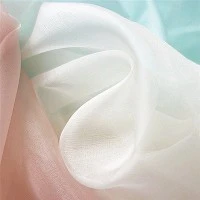
Silk is one of the most representative cultural symbols of China. From the ancient "Silk Road" to today's global trade, silk has been more than just an exquisite textile-it has served as a medium of cultural exchange. It has witnessed the connection between Eastern and Western civilizations and continues to shine with new vitality in fashion and daily life.
A Symbol of Eastern Culture
For thousands of years, Chinese silk, with its soft texture and unique luster, has been one of the most sought-after fabrics worldwide. In ancient times, it was not only a symbol of royalty and nobility but also a concentrated expression of Chinese craftsmanship and aesthetics. The patterns and colors woven into silk were not merely decorative, but carried profound cultural meanings.
Even today, when international consumers think of Chinese culture, "silk" remains one of the most iconic symbols. It represents not only the elegance and delicacy of the East, but also the wisdom and aesthetics of ancient China.
International Recognition of Silk's Value
With the continuous growth of the global fashion industry, silk has gradually moved beyond traditional clothing into a broader stage. From high-end fabrics favored by European designers to scarves and ties popular among North American consumers, silk has earned worldwide recognition thanks to its unique texture and cultural depth.
In the international market, silk products are not merely textiles-they embody a lifestyle. The oriental cultural essence carried by silk has become a key differentiator and competitive advantage. When consumers choose silk, they are also embracing a form of cross-cultural identity.
New Opportunities Under the Belt and Road Initiative
The Belt and Road Initiative has created new opportunities for the international development of Chinese silk. As one of the most important symbols of the ancient Silk Road, silk today is not only a trade commodity but also a bridge for cultural exchange.
Demand for silk products is growing steadily in countries along the Belt and Road, especially in Europe. With stable quality and rich design, Chinese silk is entering new areas of cooperation. At the same time, more and more Chinese enterprises are collaborating with overseas designers and brands to integrate silk culture into modern fashion, bringing Chinese silk back to the global stage.
The Vision of a New Silk Road
In today's international context, Chinese silk is no longer just a traditional export product-it has evolved into a cultural, artistic, and fashion medium. How to sustain the vitality of this ancient material in modern markets has become an important issue for the silk industry.
Since its establishment in 2018, Jiaxing Tianchen Textile Co., Ltd. has adhered to this vision, extending silk from traditional craftsmanship to modern innovation. Tianchen Textile believes that the value of silk lies not only in its beauty and elegance but also in the cultural strength it embodies. With the backdrop of the Belt and Road Initiative, we aim to work hand in hand with global partners to build a new "Silk Road," carrying the culture and charm of Chinese silk to an even broader future.