

Silk Cutting Fabric
Why choose us?
Your Leading Silk Cutting Fabric Supplier
Complete Process System
The company has a one-stop service from gray cloth, dyeing, printing, and finished product production.
Sales Products
The annual sales of silk fabrics exceed 100,000 meters, and more than 50,000 neckties and scarves of various colors.
Market Scope
It mainly sells in Europe and America, and has established good cooperative relations with Canada, Germany and other countries.
Research And Development
We have developed a variety of char-acteristic silk fabrics, scarves, and tie series products.


What is Silk Cutting Fabric ?
"Silk cutting fabric" refers to the process of cutting a piece of silk fabric, which is a natural, luxurious fiber known for its smooth texture, lustrous sheen, and delicate nature, requiring careful handling when cutting due to its tendency to slip and shift easily; often used in high-end fashion garments.
The Advantages of Silk
Breathability
Thanks to the remarkable porosity of silk fibers, which can reach a range of 25% to 30%. This natural characteristic, combined with their fluffiness, makes silk fabric incredibly light and breathable, ensuring a comfortable wearing experience without stuffiness.
Lightweight
The impressive porous nature of silk not only allows air to circulate freely but also allows it to store large amounts of air, which enhances its insulating properties. Compared to cotton, silk offers warmth without the extra weight. This is why we often say that one pound of silk equals three pounds of cotton.
Skin-friendliness
Silk is lightweight, flexible, and smooth, so it doesn't put pressure points on the body
Keep moisture
Silk fibers have a remarkable similarity to the amino acids found in human skin’s natural moisturizing factor. This similarity allows silk gum to effectively retain moisture. Additionally, the polypeptide chain structure of silk glue acts as a conduit, facilitating the transportation of water to the skin’s outermost layer, where it combines with the skin, keeping it adequately hydrated.
Hygiene
With its natural antibacterial and antimicrobial properties, silk is a unique fabric that naturally fights against mites and bacteria. Unlike synthetic fibers, silk is less likely to attract dust and create static electricity, making it a more hygienic option. Wearing silk underwear and panties can help prevent allergies, reduce bacteria, and keep odors at bay, ensuring a comfortable and fresh feeling all day long.
Biodegradability
Silk is a fabric made from silk fiber, a natural protein fiber produced by silkworms. It is easily broken down by natural processes, making it both biodegradable and sustainable.
UV Protection
As you wear your silk garments or accidentally expose them to direct sunlight while drying, you might have noticed yellowish tints appear on the fabric. This transformation occurs because silk fabric can absorb ultraviolet rays. That’s why silk fabric is a sought-after choice for summer clothing. Whether it is silk masks or sunscreen clothing, they all function as an additional layer of defense against the sun’s harmful ultraviolet rays.
Versatility
Silk is a fabric with a multitude of uses. It is a popular choice for clothing and comforters because of its softness and breathability. Moreover, its smooth texture and skin-friendly nature make it a comfortable option for bed sheets. Additionally, silk’s high ignition point makes it a great material for interior decoration.
Types of Silk Cutting Fabric
Mulberry Silk
Mulberry silk is the best and the most expensive kind of silk all of which are well-known for its exquisite quality and luxurious feel. It is obtained from the larvae of the silk-producing Bombyx mori silkworm, which consumes mostly mulberry leaves. The exclusive diet of Bombyx mori silkworm brings the silk in a position of superior quality, meanwhile, Mulberry silk deserves to be one of the finest and most expensive types in the industry.
01
Tussar Silk
Tussar silk or Kosa silk is a variety of silk that is produced from silkworms (mainly Antheraea mylitta) which are a kind of silkworm larvae. Tussar silk is gold for its unique texture, natural shine, and bewitching beauty.
Tussar silk is regarded for its rough touch and a little bumpy lifestyle. Tussar silk has a more uneven texture than silk fabric, which creates a rustic look that is unlike the shiny as well as smooth finish of ordinary silk. Tussar silk fiber is recognized for its strength and makes Tussar silk garments hardwearing and long-lasting.
02
Chiffon Silk
Chiffon silk is a delicate and lightweight fabric that is well-known for its sheerness and transparent look. It is beautifully woven from fine twisted yarns. They are made of silk or synthetic yarns such as polyester. Chiffon silk has a characteristic of beautiful mounting and a mystic touch that makes it much preferred for flow and gorgeous dresses.
Chiffon silk possesses a slightly small stretch and its typical crispy characteristic which are illustrated by its faint sheen and smooth touch. Due to its good weave, the fabric is slightly grained which makes it more visually appealing. Chiffon has been preferred for a long time because of the way it creates floating beauty in clothing, mostly evening gowns, brides, and scarves.
03
Crepe de Chine
Crepe de Chine, a celebrated silk family member, is a wonderful fabric famous for its unique feel and elegant fall. It was called Crepe de Chine by the French, but it is rather famous for its unique weaving process. The result is a rough but textured fabric.
The Crepe de Chine boasts of a shiny and lustrous appearance as well smooth and silky texture which is in contrast to that of other silk fiber types. Its lightness as an attribute comes into play too, giving it an edge in fabrics meant to be used in situations that require freedom of movement. Crepe de Chine, not only drapes gracefully but has a subtle sheen that accentuates its elegant and ageless appearance.
04
Habutai Silk
Habutai silk, known as "China silk," is a silky and fine material spun from the silk cocoon of the Bombyx mori silkworm. The name this fabric carries is "Habutai" which has origins in Japan and means "feather-two-layer" emphasizing its soft and tender texture.
Habutai silk is famous for its outstanding features of the soft, silky feeling against the body so it has been used for many years for the construction of fabrics for expensive and luxurious clothes. Habutai silk has a very subtle gloss which adds to its overall beauty. The quality of Habutai is defined by its lightness, airiness, and breathability, resulting in its suitability for different climates.
05
Organza Silk
Organza silk is a sheer and lightweight fabric that has an ethereal look and is described as a material with a delicate texture. Organza silk has gained recognition because of its distinctive features and wide application out of silk fibers.
Transparent and with a crisp smooth finish is what organza silk is known. The fabric has a fine plain weave, and its lightness helps it to be draped beautifully. Organza is a mixture of silk and synthetic fibers woven to add power to it while retaining the shine. The fabric's surface has a subtle, well-balanced shine that gives any garment or design a tint of subtle sophistication.
06
Dupioni Silk
Dupioni silk, known as Dupion or Dupioni, is a type of silk with a distinctive texture and an attractive appearance. Duppioni silk, as the name suggests, is tied to two cocoons weaving together. Through the unevenness and slubbiness, a unique surface is created that is associated with silk's characteristics and fascination.
This type of silk is known for its crisp drape and subtle sheen, which make it suitable for those who prefer a slightly nubby texture that is different from smooth silk varieties. The imperfections in the print achieve a unique, natural effect, and thus every item is a custom one. Dupioni silk enjoys a reputation for adaptability as it is combined with traditional and innovative patterns that are alike.
07
Georgette Silk
Georgette silk is a softly crinkled material, which is very light and thin with graceful nobility. The yarn of Georgette silk is tightly twisted, most often in plain or satin weave, so the result is a textured surface like a pebble. The fabric derives its name from the French fashion designer Georgette de la Plante of the early 20th century who was famous for using these fabrics in her work.
Georgette silk enjoys a high reputation due to its lightness and airiness that favor its use for the creation of fashionable and flowing outfits. The drape surface, with its crumbled surface, is ethereal, thus offering visual interest and texture. A Georgette silk is suitable for many different fashion purposes for it drapes beautifully and has strength even though it looks delicate.
08
Raw Silk (Dupion)
Dupion or raw silk is unique and stands out from other forms of silk. The unique construction method which results in a slightly rough and uneven manner complements its character.
Raw silk is woven from uneven and thicker fibers, creating a charming, natural look characterized by a slightly slubby texture and crisp feel. The unevenness of the weave provides a natural feeling and has a visually appealing texture, reminding of old folk art with its rustic and authentic look.
09
Matka Silk
Matka silk, known as Katia silk, is an exclusive type of silk that is distinguished by its special touch and earthy beauty. Matka silk is usually woven by hand, therefore, it is a part of the artisanal origin of this region of the Indian subcontinent.
Matka silk has a characteristic of a coarse texture and a little bumpy surface. The unevenness of weave construction is responsible for creating a natural and raw design making every piece of Matka unique. The slub of Matka silk is slightly rough and is something that lends it this rugged and natural texture.
10
Material of Chest Freezer?
Clothing
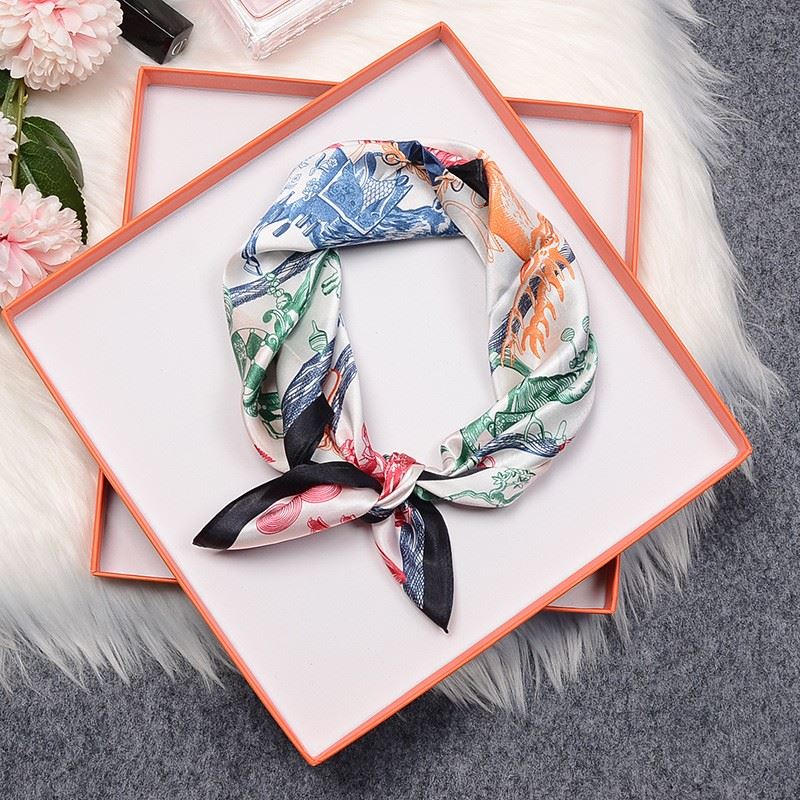
Silk is a popular choice for clothing due to its softness, durability, and luster. It's used for a variety of clothing items, such as shirts, blouses, ties, lingerie, and formal dresses. Silk is also a good choice for insect-proof clothing.
Home furnishings
Silk is often used for upholstery, curtains, wall hangings, rugs, cushions, and bedding. It's also a popular choice for those with dust allergies because dust mites don't like silk.
Parachutes
Silk is a lightweight and durable material that's often used to make parachutes.
Surgical sutures
Silk is used to make surgical sutures because it's thin, antibacterial, and auto-absorbable.
Biomedical applications
Silk-based materials have potential for clinical applications, such as ligament tissue engineering and bone formation.
E-textiles
Silk-based e-textiles can be used in wearable devices, healthcare monitoring, and human-machine interfaces.
Artificial teeth
Silk fibers may be used in artificial teeth after a degumming process.

Points to Remember When Caring for Silk Tailor Fabrics
Washing:
- Hand Wash: Most silks should be hand washed in warm water with a mild detergent designed for delicate fabrics.
- Machine Wash (If Allowed): If machine washing is an option, use cold water and a silk-specific detergent on the delicate cycle.
- Wash Separately: Always wash silk items separately from other fabrics to prevent color transfer.
Drying:
Lay Flat: Never wring or twist silk fabrics; instead, gently squeeze out excess water and lay flat on a clean towel to dry.
Avoid Direct Sunlight: Direct sunlight can damage silk fibers, so dry in the shade.
Ironing:
Iron on Low Temperature with an Ironing Cloth: If ironing is necessary, use a low-temperature setting and always place an ironing cloth between the iron and the silk fabric.
Prefer Steam Option: Steam ironing is generally the safest way to remove wrinkles from silk.
Storage:
Cool and Dry Place: Store silk fabrics in a cool, dry place away from direct sunlight.
Fold Carefully: Gently fold silk fabrics to avoid wrinkling.
IMPORTANT NOTES:
- Checking Colorfastness:
- Before washing, always test on a small, inconspicuous area of fabric to ensure color will not fade.
- Pre-Treating Stains:
- If stains occur, try pre-treating with a mild stain remover before washing.
- Professional Cleaning:
- For particularly delicate or valuable silk fabrics, consider sending them to a professional dry cleaner.

Our Service
We are committed to providing customers with good services. Before sales, we will provide customers with consultation, quotation and other services, as well as provide some data on the country's market for customers' reference. We will control the quality during the sale. We have professional Quality inspection and ordering personnel conduct quality tracking. After-sales, we will provide good after-sales service based on the information provided by the customers, and conscientiously solve various problems encountered by the customers.

Successful Projects


FAQS
Q: Is wearing silk good for you?
A: Of course. Silk fabric is gentle on the skin and provides comfort. Its hollow structure makes it great at absorbing sweat, keeping you cool during hot weather. In the colder months, silk also works as an excellent insulator, trapping heat to keep you warm.
Q: Is silk easily torn?
A: No, silk doesn’t tear easily. Being one of the strongest natural fibers, silk resists stretching by external forces and has high strength and elasticity.
Q: Does silk get ruined easily?
A: Despite its strength, silk gets ruined easily due to its poor resistance to wear, heat, and moisture. Thus, it demands special attention in daily wear and maintenance.
Q: Is silk easy to cut?
A: When you cut your silk between paper the silk behaves just like the paper and is really easy to cut. It's also much more stable and cost effective than cutting it with muslin, which I've seen around the blogs, and when you're done with the paper you've cut you can just recycle it.
Q: How to cut silk material?
A: Lay out your cloth on a Large cuttsurface that is at least as wide as your fabric. Make sure all of your cloth is in the table and square up the warp and weft. Cut your fabric pieces serrated shears (Not pinking shears!). These type of shears have tiny teeth that hold the cloth in place as you cut.
Q: Does silk fray when cut?
A: The fine threads in silk will easily fray when cut. Here at The Silk Bureau, we use a hot-wire cutter that seals the cut edge of the silk and prevents fraying. If you aren't able to use a hot-wire cutter then we'd advise you invest in some good quality, sharp fabric scissors.
Q: Does silk fabric break easily?
A: Superior to that of cotton and nylon. Silk fibre is stronger than an equal thickness of steel wire and, more importantly, does not show the phenomenon of yielding before breaking.
Q: What is the best stitch for silk fabric?
A: Silk does like to unravel, so you will want to use a nice overlock stitch with a serger or a french seam, which encloses the raw edges and looks good on both the inside and outside of a garment. Finished Hems: Hand Rolled hems- Silk thread is a good choice for this application.
Q: Is silk difficult to sew?
A: The slippery nature of silk can cause some issues along the way, so be prepared to take it slowly and allow for a few frustrating moments during the process. However, our top 10 tips for sewing silk should have you creating perfectly stitched projects in no time!
Q: What kind of needle to sew silk?
A: Glass-head pins also come in a fine diameter, so they don't make large holes in the fabric. The right needle solves many problems you may encounter when sewing fine silks. You shouldn't hear popping sounds as the needle moves through the textile. Try a microtex or sharp needle, which has a sharp point.
Q: How do you seal silk fabric edges?
A: Choose Edge Finishing Method: The most common edge finishing methods are using a zigzag stitch or a similar stitch that mimics a rolled edge. Both methods effectively prevent fraying or unraveling of the silk fabric's edges.
Q: How to cut silk fabric straight?
A: If your fabric is prone to shifting, I strongly recommend cutting it between layers of paper. Ideally you will cut between two, but even just one (either on the top or under the fabric) will make a difference. This is a great technique to use, particularly when cutting lightweight or shifty fabrics like silk.
Q: Should you wash silk before sewing?
A: As with most fabrics, silks and rayons should be prewashed the same way you intend to wash them to prevent any unwanted changes after you've finished your garment. Rayon in particular can be prone to shrinking, and silk is at risk of water stains unless it is prewashed first.
Q: How do you stabilize silk for sewing?
A: You can dissolve water-soluble stabilizer film intended for machine embroidery and apply it to a slippery or unstable fabric. There are also products especially for stabilizing fabrics. The key takeaway is that you can use these stabilizers only on silk fabrics you intend to wash afterward.
Q: How do you keep silk from puckering?
A: Reduce the tension applied to the thread while it is being wound onto the lock stitch bobbin. Set the needle thread tension to be as light as possible while achieving a balanced stitch at the same time. This will reduce the amount of puckering while the thread is stretched and improve the sewability.
Q: How do you break in silk?
A: With a quick vinegar dip (a little white vinegar + cold water in your sink), a good steam with your iron on the hottest setting, and daily wear, you can break in your silk quickly and easily. Broken in silk is one of the dreamiest fabrics you can wrap around your baby.
Q: Will silk fray if you cut it?
A: Cutting can be a tough task with silk. Not only does silk fray easily at the edges, but it flops so easily over the blade of a shears or scissors that when you cut it you can often end up with a warped or frayed edge.
Q: What is the best thread for sewing silk fabric?
A: You can sew any kind of fabric with polyester thread, including silk. Something to keep in mind, though, is that if you plan to dye your sewn item, polyester thread will not take the color. So choose a thread color to match the final dye result or choose a thread made of the same material as the fabric.
Q: What is the stitch length for silk?
A: We would recommend using a short stitch (1.5-2mm) on silk, but make sure you test out both the stitch and the tension on a scrap before you start. Lightweight fabrics do not like backstitching (they get caught up in the machine and will cause snags) so you will need to tie off your end with a knot to secure them.
Q: What not to do with silk?
A: Silk is completely dissolved by chlorine bleach, as are all protein fibers. Any cleaner containing lye, bleach, or other high pH contents will prove to be detrimental to silk fabric.
As one of the most professional silk cutting fabric manufacturers and suppliers in China, we're featured by quality products and good service. Please rest assured to buy customized silk cutting fabric made in China here from our factory.
Floral Silk George Fabric, Silk Chiffon Fabric, Silk Satin Fabric